TIMED CONNECTIONS FOR BETTER LEARNING – from our Director of Training, Blaine Carter
 Timed Connections for Better Learning
From Our Director of Training, Blaine Carter
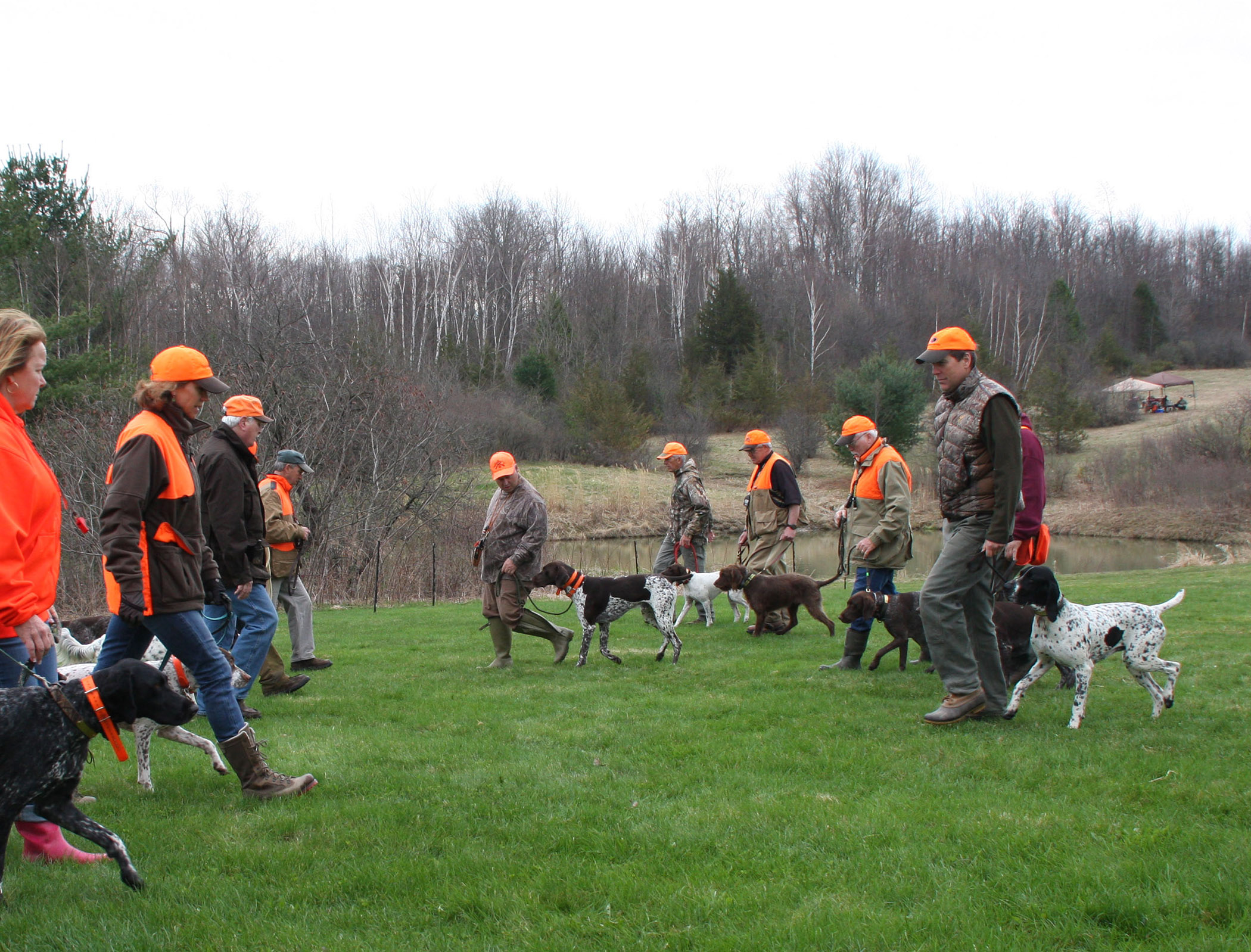
At our recent Indoor Training Clinic, I spent some time watching how handlers interacted with their dogs.
I noticed several training issues related to poorly timed corrections, which were confusing the dogs and
making learning more difficult.
Years ago I wrote an article for the VHD on the concept of KISS — “Keep It Simple, Stupid.”
Clarity is extremely important in dog training. When our signals are unclear, we unintentionally confuse our dogs
and move farther away from our training goals.
Some of the common issues I observed included:
- The handler’s command lacked a clear tone that would capture the dog’s attention.
- The handler’s body language (“body English”) was not strong enough to gain or maintain the dog’s focus.
- The use of the leash, which should reinforce the other two training tools, was inconsistent and confusing.
This concept is much easier to demonstrate than explain, but the key idea is simple:
Leash → Body Language → Command
These actions should happen in rapid succession, with one immediately leading to the next.
How It Works
A quick, attention-getting tug on the leash begins the exercise. At the same time,
your forward movement signals the start of the action.
Your movement should be clear and purposeful—whether you are:
- Moving forward
- Stopping
- Turning
Pair that movement with a command that your dog clearly understands.
Loud commands are not necessary and are not recommended.
Again, the leash cue, body movement, and command should occur in very quick sequence so the dog
understands they are connected.
Progressing as a Team
As communication improves and your dog begins to understand your expectations, the need for the
initial leash tug will gradually disappear.
Strong teamwork between handler and dog—responding to commands such as:
- Come
- Stop
- Walk with you
- Hunt for you
—provides the foundation for successfully training versatile hunting dogs.
Remember: Keep It Simple.
— Blaine Carter